What RERA Actually Protects You From — and What It Doesn’t
The Real Estate (Regulation and Development) Act, 2016 (RERA), introduced a comprehensive framework to govern the Indian real estate sector. Its primary objective was to bring transparency, accountability, and efficiency into property transactions, thereby protecting the interests of homebuyers and promoting investments. Before RERA, the real estate market was largely unregulated, leading to various issues for buyers including project delays, diversion of funds, and alterations to plans without consent. This legislative intervention marked a significant shift, creating a more structured and consumer-friendly environment. Understanding the precise scope of RERA’s protection, however, is crucial for anyone engaging in property transactions in India, particularly in dynamic markets like Navi Mumbai. This article will elaborate on the specific areas where RERA provides robust safeguards for buyers and, equally important, identify practices or situations that generally fall outside its direct purview, helping prospective homeowners to navigate the market with informed awareness.
RERA’s Core Protections for Homebuyers
RERA’s framework is designed to address many of the long-standing challenges buyers faced. Its provisions cover a wide array of aspects, from project registration and financial discipline to contractual obligations and dispute resolution.
Project Registration and Information Disclosure
One of RERA’s foundational pillars is the mandatory registration of all residential and commercial real estate projects exceeding a certain size (typically more than 500 square meters or more than eight apartments) with the respective state’s RERA authority. This requirement ensures that detailed information about the project is publicly available and verified.
- Mandatory Disclosure: Developers are required to submit and regularly update comprehensive information about their projects on the RERA website. This includes details about the developer’s background, the promoter’s track record, land title status, approvals from various authorities, project layout plans, timelines for completion, and specifications of flats and common areas. This transparency allows potential buyers to access critical information before making a booking decision.
- Approval Status: RERA mandates that developers can only advertise or sell units in a project after obtaining all necessary regulatory approvals. This prevents developers from launching projects prematurely or selling units in projects that might not receive clearances, a common issue before RERA. Buyers can verify the approval status on the RERA portal.
- Carpet Area Definition: RERA provides a standardized definition for “carpet area,” which is the net usable floor area of an apartment, excluding walls. This was a significant step as developers often used varying definitions, sometimes including areas like balconies or terraces, to inflating the perceived size of a unit. Buyers now pay for the actual usable space, bringing clarity and fairness to pricing.
Financial Accountability and Fund Management
A major concern for buyers before RERA was the diversion of funds collected from one project to another, often leading to delays or even abandonment of the initial project. RERA introduced stringent financial discipline measures to prevent this.
- Escrow Account Requirement: Developers are mandated to deposit 70% of the amounts realized for the real estate project from the buyers into a separate bank account, known as an escrow account. These funds can only be utilized for the construction and land cost of that specific project. This mechanism ensures that funds are not diverted, providing a financial safety net for the project’s completion.
- Auditing and Withdrawals: Withdrawals from the escrow account are directly linked to the percentage of completion of the project and must be certified by an architect, an engineer, and a chartered accountant. This multi-layered verification process adds another layer of financial oversight.
Rights of the Allottee (Buyer)
RERA significantly empowers homebuyers, granting them several crucial rights that were often lacking or difficult to enforce previously.
- Right to Information: Buyers have the right to obtain information regarding the project, including approved plans, specifications, and the schedule for completion.
- Right to Claim Possession: Buyers are entitled to claim possession of the apartment or flat as per the agreed-upon date in the agreement for sale. RERA has specific provisions regarding delays. If a developer hands over possession late, the buyer has clear options, including the right to withdraw from the project and receive a full refund with interest, or to continue with the project and receive compensation for every month of delay until possession is delivered. For more detailed information, consider reading about builder delay possession rights.
- Right to Refund: In cases where the developer fails to deliver possession within the stipulated time, or if there are significant alterations to the project without consent, buyers have the right to withdraw from the project and receive a full refund of their invested amount, along with prescribed interest.
- Right to Grievance Redressal: RERA established regulatory authorities and appellate tribunals for expeditious adjudication of disputes. This provides a specialized and faster mechanism for homebuyers to seek redressal compared to traditional civil courts.
- Protection Against Structural Defects: For a period of five years from the date of possession, if any structural defects or other deficiencies in workmanship, quality, or provision of services are brought to the notice of the developer, the developer is obligated to rectify these issues without additional charge. If the developer fails to do so within 30 days, the buyer is entitled to claim compensation.
Obligations of the Promoter (Developer)
RERA places significant obligations on developers, fostering greater accountability.
- Adherence to Plans and Specifications: Developers are legally bound to construct the project strictly according to the approved plans and specifications. Any material changes require consent from a specified percentage of allottees.
- Completion Certificate: Developers can only hand over possession after obtaining the occupancy certificate (OC) and completion certificate (CC) from the competent local authorities. This ensures that the building is safe for habitation and has all necessary amenities. The occupancy certificate is particularly important as it certifies that the building complies with all building codes and regulations.
- Agreement for Sale: RERA mandates a standardized agreement for sale, which clearly outlines the terms and conditions between the developer and the buyer, preventing one-sided clauses that were common before RERA.
- No False Advertising: Developers are prohibited from making false statements or misleading advertisements regarding their projects. Any information provided in prospectuses or advertisements must be consistent with the RERA registration details.
What RERA Generally Doesn’t Directly Protect You From
While RERA offers substantial protection, it’s equally important for buyers to understand its limitations. Certain aspects of the real estate transaction are either outside RERA’s direct scope or require buyers to exercise due diligence independently.
Market Risks and Valuation Fluctuations
RERA primarily regulates the conduct of developers and project execution; it does not guarantee the financial appreciation of your property or protect you from market downturns.
- Property Value Fluctuations: The value of real estate is influenced by numerous factors, including economic conditions, infrastructure development in the area, demand and supply, and interest rates. RERA has no purview over these market dynamics. A property’s value could increase or decrease after purchase, and this risk is borne by the buyer.
- Investment Returns: While purchasing property is an investment, RERA does not assure any specific return on investment (ROI). Buyers should conduct their own market research and financial analysis before investing.
Due Diligence Beyond RERA Portal
While RERA mandates significant disclosures, it doesn’t absolve the buyer of the responsibility to conduct their own due diligence.
- Developer’s Reputation and Track Record: While some basic information about the promoter is available, RERA doesn’t provide a subjective assessment of a developer’s reputation or past quality of construction. Buyers should independently research the developer’s history, projects completed, and customer reviews. This is a critical step in deciding which real estate developers in Navi Mumbai to consider. Evaluating a developer’s track record is vital, and you can learn more about how to evaluate a developer for a comprehensive approach.
- Local Infrastructure and Amenities: RERA primarily focuses on the project itself. Buyers need to research the surrounding infrastructure, connectivity, social amenities (schools, hospitals, markets), and future development plans for the locality independently. This research is especially important when looking at developing areas with under construction projects.
- Future Development Plans of the Area: While RERA ensures disclosures about the project land, it doesn’t give insights into potential changes in the broader neighborhood, such as the construction of new commercial hubs or changes in zoning regulations which might impact the residential character or property values.
- Quality of Construction (Beyond Structural Defects): While RERA mandates rectification of structural defects for five years, it generally doesn’t specify granular quality standards for all aspects of construction, such as paint finish, fittings, or minor aesthetic issues, unless they fall under a material deficiency in workmanship. Buyers should pay attention during walk-throughs and ensure the specifications in their agreement are met.
- Verification of Documents with Local Authorities: While developers submit documents to RERA, it’s sometimes prudent for buyers to cross-verify crucial documents like the land title deed and specific local municipal approvals directly with the respective authorities, if possible, for complete peace of mind.
Small-Scale Projects and Resale Properties
Not all real estate transactions fall under RERA’s direct regulatory ambit.
- Small Projects: Projects below a certain size threshold (less than 500 square meters or fewer than eight units, depending on state-specific rules) are typically exempt from RERA registration. Buyers in such projects do not benefit from RERA’s specific protections, though general consumer laws might still apply.
- Resale Properties and Secondary Market: RERA primarily governs transactions between developers and the first allottee. Sales in the secondary market (resale of already constructed and owned properties between individuals) generally do not fall under RERA’s direct jurisdiction. Buyers in the resale market need to rely on their own due diligence, legal counsel, and the general laws of contract and property transfer.
Specific Commercial Terms and Pricing
While RERA brings transparency to pricing components, it does not regulate the price itself.
- Pricing: RERA does not dictate or control the price at which a developer sells a unit. Prices are determined by market forces, developer costs, and strategic decisions. Buyers must negotiate prices and compare offerings independently.
- Loan Approvals and Interest Rates: RERA does not involve itself in banking or financial services. Buyers are responsible for securing home loans and negotiating interest rates with financial institutions. It’s advisable to get pre-approved for a loan before booking a property.
Disputes Not Directly Related to the Developer’s Obligations
While RERA provides a robust dispute resolution mechanism for issues between buyers and developers, other disputes might fall outside its scope.
- Disputes with Brokers/Agents (Independent of Developer): If a dispute arises solely with a real estate agent or broker concerning their commission or misrepresentation, and it’s not directly related to the developer’s RERA-defined obligations, it might not be directly adjudicable under RERA. However, brokers facilitating RERA-registered projects also need to be RERA-registered, adding a layer of accountability for them.
- Post-Possession Maintenance Issues (Beyond Initial Period): While RERA covers structural defects for five years, general maintenance, common area management, and society-related disputes after the initial period typically fall under cooperative society laws or other legal frameworks, not directly RERA.
How Homebuyers Can Protect Themselves Effectively
Given RERA’s robust protections and its limitations, a proactive and informed approach is the best strategy for homebuyers.
Step-by-Step Due Diligence
- Verify RERA Registration: Always start by checking if the project is registered on the respective state’s RERA portal. Look for the RERA registration number and verify all details provided by the developer against the RERA website. For example, when looking at ongoing projects in Navi Mumbai like Delta Group’s own Delta Vistara in Ulwe or Aveon City in Airoli, buyers can easily cross-reference project details on the MahaRERA website.
- Scrutinize Documents: Obtain and thoroughly review all project documents, including the agreement for sale, architectural plans, layout plans, and all government approvals. If you are unsure, engage a legal expert to review these documents.
- Visit the Site: Physically visit the construction site to assess the progress, quality of work, and the surrounding locality. Trusting only brochures or digital representations may not be sufficient.
- Research the Developer: Look into the developer’s past projects, delivery track record, customer feedback, and financial stability. A developer with a positive and consistent track record is generally a safer bet.
- Understand the Payment Schedule: Familiarize yourself with the payment plan and ensure it aligns with the project’s construction linked progress. Avoid plans that demand a significant upfront payment without corresponding construction milestones.
- Ask Incisive Questions: Don’t hesitate to ask questions to the developer or their representatives. Some crucial questions to ask a builder include details about the carpet area calculations, maintenance charges, parking allocation, and penalty clauses for delays.
- Seek Legal and Financial Advice: Engage an independent legal counsel to review the agreement for sale and ensure your interests are protected. Consult a financial advisor to understand the full costs involved, including stamp duty, registration charges, and potential taxes.
- Beware of Subvention Schemes: While some schemes offer payment holidays, understand the implications thoroughly. Read the fine print carefully and ensure you are aware of your financial obligations.
The Role of Technology
RERA leverages technology extensively, with dedicated portals in each state. These portals are invaluable resources for buyers to:
- Track Project Progress: Many RERA portals require developers to regularly update the status of projects, including construction photographs, giving buyers a visual progress report.
- Access Developer Information: Comprehensive details about the developer and their projects are available, aiding in background checks.
- File Complaints: The online platforms facilitate easy filing and tracking of complaints, streamlining the grievance redressal process.

Navi Mumbai: A Case Study in RERA’s Impact
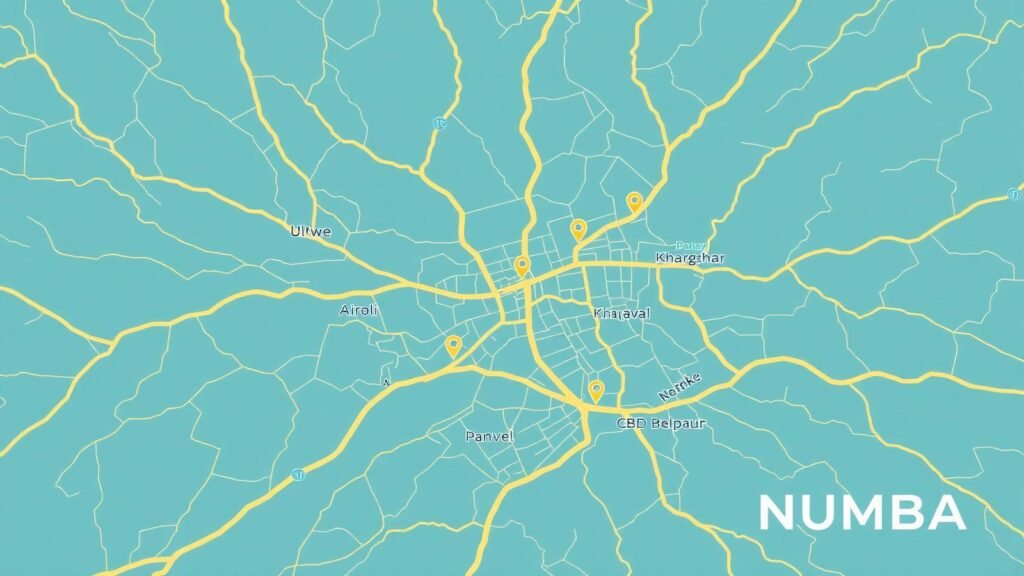
Navi Mumbai, a planned city known for its robust infrastructure and connectivity, has seen significant benefits from RERA’s implementation. With numerous ongoing projects in Navi Mumbai across areas like Ulwe, Panvel, and Kharghar, RERA has brought much-needed clarity. Buyers looking at properties here can access detailed information on the MahaRERA portal, verify project specifics, and track construction progress. This transparency has fostered greater confidence among buyers and investors in this region, which continues to be a growth corridor. The improved regulatory environment encourages reputable developers to maintain high standards and timely deliveries, directly benefiting purchasers.
In summary, RERA has undeniably fortified the position of homebuyers in India by introducing a regulatory structure that mandates transparency, financial accountability, and timely dispute resolution. It has curtailed many of the malpractices that historically plagued the sector, transforming it into a more organized industry. However, RERA is a framework for regulation and consumer protection, not a substitute for individual vigilance. Buyers who combine a thorough understanding of RERA’s provisions with their own diligent research and professional advice will be best positioned to make secure and satisfactory property investments.
Key Takeaways
- RERA mandates project registration and full disclosure of project details, ensuring transparency.
- The 70% escrow account rule prevents diversion of funds, improving financial accountability of developers.
- Buyers have strong rights including right to information, timely possession, and refunds with interest for delays.
- RERA provides a fast-track dispute resolution mechanism through regulatory authorities and tribunals.
- RERA does not protect against market risks, property value fluctuations, or specific pricing.
- Buyers must conduct independent due diligence on the developer’s reputation, locality, and project quality beyond RERA disclosures.
- Small projects and resale properties generally fall outside RERA’s direct regulations.
- Proactive buyers gain maximum protection by verifying RERA details, scrutinizing documents, visiting sites, and seeking professional advice.
Frequently Asked Questions
Quick answers to common questions on this topic.
RERA generally covers new residential and commercial real estate projects where the land area exceeds 500 square meters or the number of apartments proposed to be developed exceeds eight units, in all phases. Renovation or repair projects that do not involve marketing, advertising, selling, or new allotment of any apartment, plot, or building are typically exempted.
You can verify a project’s RERA registration by visiting the official RERA website of the respective state (e.g., MahaRERA for Maharashtra). On the portal, you can search for the project using its name, developer’s name, or the RERA registration number provided by the developer. This will display all registered details, approvals, and construction updates.
If your developer delays possession beyond the date specified in the agreement for sale, RERA provides you with two primary options. You can choose to withdraw from the project and receive a full refund of the amount paid, along with interest as prescribed by RERA. Alternatively, you can choose to continue with the project and demand compensation for every month of delay until the actual possession is handed over. You can file a complaint with the RERA authority for redressal.
RERA offers protection against structural defects or any other deficiencies in workmanship, quality, or provision of services for a period of five years from the date of handover of possession. If you notify the developer of such defects, they are obligated to rectify them without charge within 30 days. If the developer fails to do so, you are entitled to claim appropriate compensation. However, RERA does not lay out granular quality standards for every aesthetic detail; those should be specified and agreed upon in your agreement of sale.
No, RERA does not regulate the pricing of real estate units. Prices are determined by the developer based on market demand, construction costs, and other commercial considerations. RERA’s role is to ensure transparency in pricing components (like carpet area), not to influence the final sale price. Buyers need to negotiate prices independently with developers.
Yes, RERA mandates that all real estate agents and brokers involved in the sale or purchase of properties in RERA-registered projects must also be registered with the state’s RERA authority. This ensures a layer of accountability for intermediaries involved in property transactions, and buyers can verify their registration status.