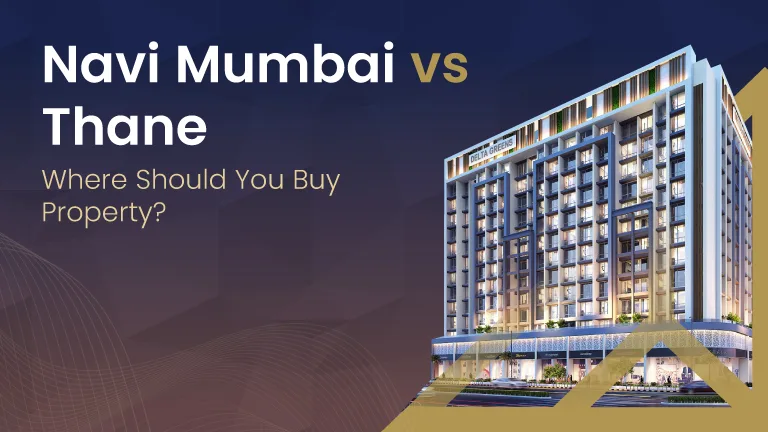
Is 2026 the Right Time to Buy Property in Navi Mumbai? An Honest Answer
Navi Mumbai stands as a prominent urban centre in the Mumbai Metropolitan Region (MMR), attracting significant attention from homebuyers and investors. The question of whether now is an opportune moment to acquire property in this vibrant city is complex, depending on various economic indicators, infrastructural developments, and individual financial circumstances. This analysis aims to provide a comprehensive overview of the current real estate landscape in Navi Mumbai, examining the factors that influence property values, growth trajectories, and the potential for appreciation, helping prospective buyers make informed decisions. We will explore the interplay of government policies, urban planning initiatives, and market dynamics to offer a balanced perspective on the present conditions and future prospects for real estate investment here.
Understanding Navi Mumbai’s Strategic Significance
Navi Mumbai was conceptualised as a planned city to decongest Mumbai, evolving into a self-sufficient urban centre. Its strategic location, well-organised infrastructure, and continued development initiatives have cemented its position as a desirable residential and commercial hub. The city boasts a robust public transport network, including local trains, buses, and soon, metro connectivity, enhancing its appeal for daily commuters to Mumbai and beyond. Furthermore, the presence of educational institutions, healthcare facilities, and commercial zones contributes to a high quality of life, drawing a diverse population. This planned growth has led to a consistent demand for housing across various segments, from affordable apartments to luxury residences. The careful urban planning by CIDCO (City and Industrial Development Corporation) has ensured a systematic expansion, maintaining green spaces and civic amenities alongside commercial and residential developments. This focus on planned infrastructure distinguishes Navi Mumbai from many other rapidly developing regions, offering a more structured and predictable growth path for property values.
The Role of Infrastructure in Property Value
Infrastructure is a cornerstone of real estate appreciation. Navi Mumbai has consistently invested in enhancing its physical and social infrastructure, which directly impacts property values.
- Connectivity: The Suburban Railway network is the lifeline of Navi Mumbai, connecting it seamlessly to Mumbai. Ongoing projects like the Navi Mumbai Metro are set to further improve intra-city and inter-city travel, significantly reducing commute times. The proposed Trans Harbour Sea Link, upon completion, will provide an additional high-speed corridor to Mumbai, making Navi Mumbai even more accessible.
- Navi Mumbai International Airport (NMIA): This ambitious project is perhaps the most significant infrastructure development influencing the region. Its impending operational status has already begun to reshape the economic and real estate landscape, particularly in areas like Ulwe and Panvel. The airport is anticipated to generate substantial employment opportunities, attract businesses, and spur demand for both residential and commercial properties. For a deeper dive into this, readers might find information on the airport effect useful.
- Commercial Hubs: Areas like Belapur, Vashi, and Airoli have developed into significant commercial centres, hosting offices of numerous multinational corporations and IT companies. This creates a strong demand for housing from individuals working in these areas, thereby supporting rental yields and property appreciation. The creation of new business districts, aligned with the airport’s development, is expected to diversify the economic base further.
- Social Infrastructure: Navi Mumbai is well-equipped with reputable educational institutions, modern healthcare facilities, shopping malls, and recreational centres. These amenities enhance the livability quotient of the city, making it attractive to families and working professionals alike. Continuous upgrades and additions to this social infrastructure ensure sustained demand for residential properties.
Current Market Dynamics: Should I Buy Flat Navi Mumbai Now?
The current real estate market in Navi Mumbai exhibits a blend of stability and growth potential. While property prices have seen steady appreciation over the past decade, recent periods have shown nuanced trends. Factors like interest rates, government policies, and supply-demand dynamics are key in determining if the present represents an opportune time to invest.
Property Price Trends
Over the last few years, property prices in Navi Mumbai have generally shown upward momentum, though the pace varies across micro-markets. Prime locations with established infrastructure and connectivity have witnessed consistent appreciation. Emerging areas, particularly those benefiting from new infrastructure projects like the airport, have shown accelerated growth potential. However, it is crucial to understand that price growth is rarely uniform. Understanding the market outlook for Navi Mumbai can provide additional context here.
- Steady Appreciation: Established localities like Vashi, Nerul, and Belapur continue to attract premium pricing due to their fully developed infrastructure and proximity to commercial hubs. These areas offer stability and moderate appreciation.
- Growth Hotspots: Areas like Panvel, Ulwe, and Dronagiri, positioned along the proposed Trans Harbour Sea Link and near the new airport, are often considered growth hotspots. While prices here might be more volatile in the short term, the long-term prospects, driven by extensive infrastructure development, appear promising. Investing in flats in Ulwe, for instance, aligns with this growth narrative.
- Affordability: Compared to Mumbai’s core areas, Navi Mumbai still offers relatively more affordable housing options, especially in its newer sectors. This affordability, coupled with superior planned infrastructure, makes it an attractive alternative.
Supply and Demand
The balance between supply and demand plays a critical role in market health. CIDCO’s planned development ensures a steady, though regulated, supply of land for construction.
- Residential Supply: A healthy pipeline of under construction projects and ongoing projects is evident across various nodes of Navi Mumbai. This supply helps cater to the continuous influx of population. However, demand has often kept pace, especially for quality housing from reputed developers.
- Commercial Demand: The expansion of commercial activities and the establishment of new business parks continue to drive demand for office spaces, which in turn fuels residential demand. Many professionals prefer to live closer to their workplaces, contributing to the housing demand in commercial hubs.
- Rental Market: Navi Mumbai has a robust rental market, primarily driven by students, working professionals, and those seeking more affordable living options close to Mumbai. A strong rental yield indicates healthy demand and can be an attractive aspect for investors.
Government Policies and Regulatory Framework
Government policies and regulatory bodies like MahaRERA play a crucial role in shaping the real estate market.
- MahaRERA: The Maharashtra Real Estate Regulatory Authority has brought transparency and accountability to the real estate sector. This regulatory framework protects homebuyers’ interests, ensures project completion on time, and specifies clear guidelines for developers. This increased confidence often encourages more buyers to enter the market.
- Stamp Duty and Registration Charges: The state government periodically revises stamp duty and registration charges. Recent adjustments have sometimes aimed to stimulate demand, making property acquisition more attractive. Potential buyers should stay informed about these rates as they affect the overall cost of purchase.
- Affordable Housing Initiatives: Government initiatives promoting affordable housing, such as the Pradhan Mantri Awas Yojana, also influence the market by making homeownership accessible to a wider segment of the population. While these schemes primarily target specific income groups, their overall effect can be a positive sentiment for the real estate market.
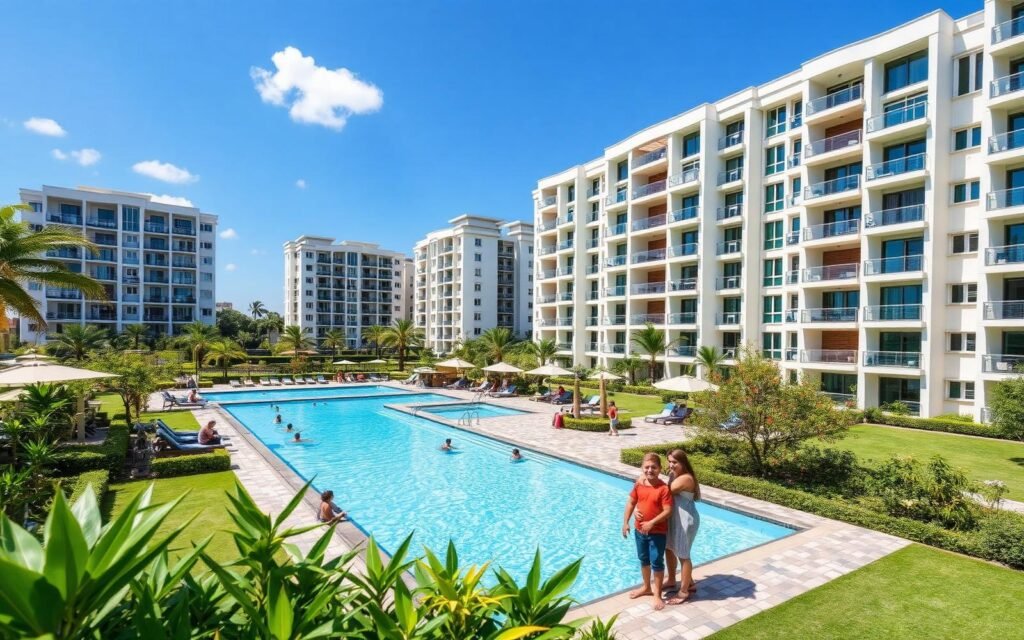
Financial Considerations for Homebuyers
Investing in property involves substantial financial planning. Understanding the implications of home loans, interest rates, and personal financial readiness is paramount.
Home Loan Interest Rates
Interest rates on home loans are a significant factor influencing buying decisions. Currently, interest rates have seen fluctuations, and prospective buyers should assess their repayment capacity carefully.
- Affordability: Even a small change in interest rates can significantly impact the equated monthly instalments (EMIs), thereby affecting overall affordability. Buyers should seek competitive rates from various financial institutions.
- Fixed vs. Floating Rates: Understanding the difference between fixed and floating interest rates is important. Fixed rates offer predictability in EMIs, while floating rates may offer lower initial rates but come with the risk of future increases. The choice often depends on an individual’s risk appetite and market outlook.
Tax Benefits
Homeownership in India comes with certain tax benefits on both home loan principal and interest payments, as per the prevailing income tax laws. These benefits can reduce the effective cost of homeownership and should be factored into the overall financial assessment. Consulting with a financial advisor can provide clarity on available deductions and tax planning strategies specifically related to property acquisition.
Personal Financial Readiness
Beyond external factors, individual financial readiness is a critical determinant. This includes having sufficient funds for down payments, considering additional costs like stamp duty, registration, maintenance charges, and being prepared for potential interest rate changes. A clear financial plan helps mitigate risks and ensures a smooth homebuying journey.
Types of Properties and Investment Opportunities
Navi Mumbai offers a diverse range of property options, catering to different needs and investment goals.
Ready-to-Move vs. Under-Construction Properties
The choice between a ready to move flats in Navi Mumbai and an under-construction property depends on various factors, including immediate need, budget, and risk tolerance.
- Ready-to-Move: These properties offer immediate possession and eliminate construction risk. Buyers can inspect the actual unit, understand the neighbourhood, and often begin earning rental income sooner if purchased for investment. However, they typically come at a higher price point.
- Under-Construction: These properties may offer a lower entry price and potential for capital appreciation during the construction period. Developers often provide attractive payment plans in the initial stages. However, they carry the risk of construction delays and, in some rare instances, changes to the original plan. With MahaRERA in place, many of these risks are mitigated, offering greater buyer protection.
Residential Apartments
The most common type of property in Navi Mumbai, residential apartments range from studio apartments to spacious 4BHK units and penthouses. They are available in integrated townships, standalone buildings, and gated communities. Developments like Delta Prestige in Panvel or Delta Icon in Airoli represent different segments of this market, offering amenities and living experiences tailored to specific buyer preferences.
Commercial Properties
Navi Mumbai’s growing commercial landscape also presents opportunities in office spaces, retail outlets, and industrial properties. Investing in commercial real estate can offer higher rental yields and often greater appreciation potential, though it typically requires a larger capital outlay and involves different market dynamics.
Land/Plots
Investment in plots of land, particularly in developing sectors, can offer significant long-term appreciation potential. However, this type of investment is often subject to zoning regulations, development plans, and longer holding periods. It requires thorough due diligence regarding clear titles and development permissions.
Key Micro-Markets to Consider
Navi Mumbai is not a monolithic market. Different nodes offer distinct advantages and potential.
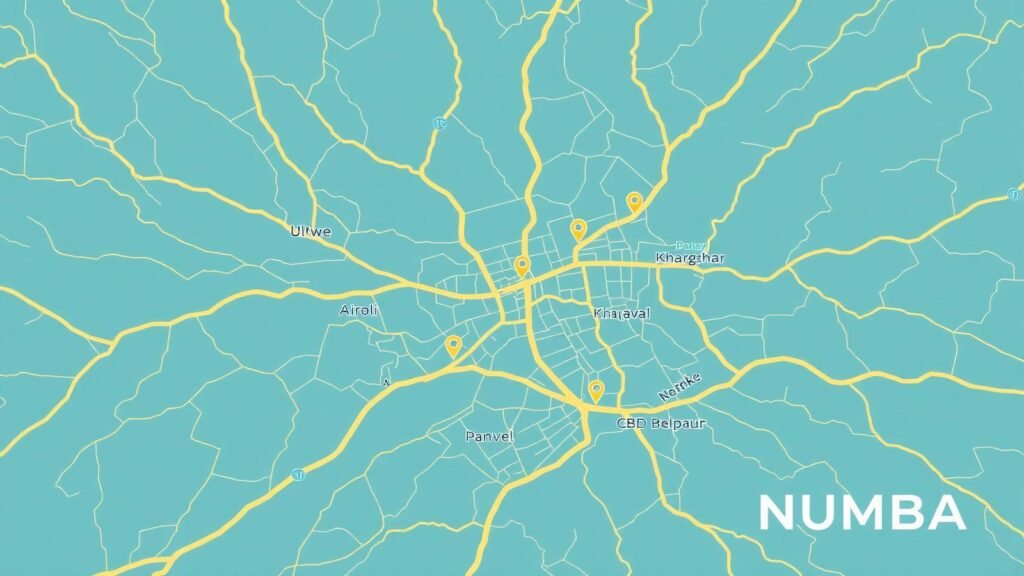
- Panvel: Often dubbed the gateway to Navi Mumbai, Panvel is a major transportation hub with excellent rail and road connectivity. Its proximity to the upcoming international airport makes it a key investment destination. The area offers a mix of urban and green spaces, making it attractive for both residents and businesses.
- Ulwe: Directly impacted by the airport project, Ulwe is envisioned as a future prime residential and commercial hub. It offers significant growth potential, although it is still largely under development. Early investors here could see substantial returns as infrastructure matures.
- Airoli: A well-established IT and commercial hub, Airoli is known for its excellent connectivity, social infrastructure, and scenic views. It offers a stable and mature real estate market, attractive to professionals and families.
- Vashi/Nerul/Belapur: These are the most developed and premium nodes of Navi Mumbai. They offer a high quality of life, established civic amenities, and robust commercial activity. Properties here are often seen as more stable investments with consistent appreciation.
- Kharghar: Known for its wide roads, planned infrastructure, and educational institutions, Kharghar is another popular residential choice. It boasts a golf course, central park, and good connectivity, contributing to its high livability score.
The Delta Group Perspective
As developers with a significant presence in Navi Mumbai, Delta Group understands the nuances of this market. We believe in creating spaces that not only meet the immediate needs of residents but also offer long-term value. Our projects are strategically located, thoughtfully designed, and adhere to the highest standards of construction quality and transparency, aligning with MahaRERA guidelines. We focus on areas with strong growth prospects, ensuring that our offerings contribute positively to the urban fabric of Navi Mumbai. Our commitment extends to delivering projects that enhance the quality of life for our customers, providing them with homes that are both desirable and sound investments. We constantly monitor market trends and infrastructure developments to identify new opportunities and deliver value-driven properties to our discerning clientele.
Conclusion: Is Now the Right Time?
To summarise, the decision to buy property in Navi Mumbai now depends on a careful evaluation of prevailing market conditions, future growth prospects, and individual financial preparedness. Various factors indicate a positive outlook for the region’s real estate market. The ongoing and planned infrastructure developments, particularly the Navi Mumbai International Airport and enhanced connectivity projects, are powerful catalysts for appreciation. The presence of a strong commercial base, coupled with quality social infrastructure, ensures sustained demand. While property values have seen healthy appreciation, especially in strategic locations, Navi Mumbai still offers a relatively more accessible entry point compared to Mumbai. The regulatory framework provided by MahaRERA adds a layer of safety and transparency for buyers.
For those with a long-term investment horizon and a clear understanding of their financial position, the present time offers compelling reasons to consider property acquisition in Navi Mumbai. The city’s planned growth trajectory suggests continued development and value creation. For immediate needs, ready-to-move options provide certainty, while under-construction properties can offer growth potential during the development phase. Ultimately, an informed decision involves researching specific micro-markets, assessing individual financial capacity, and engaging with reputable developers and financial advisors.
Key Takeaways
- Navi Mumbai is a strategically planned city with robust infrastructure and a high quality of life.
- Major infrastructure projects, especially the Navi Mumbai International Airport, are significant growth drivers for property values.
- The real estate market shows steady appreciation in established areas and high growth potential in emerging nodes like Panvel and Ulwe.
- MahaRERA ensures transparency and buyer protection, fostering greater confidence in the market.
- Financial considerations, including home loan interest rates, tax benefits, and personal financial readiness, are crucial for a successful purchase.
- A diverse range of property types, from ready-to-move to under-construction, caters to varied homebuyer and investor needs.
- Micro-markets like Panvel, Ulwe, Airoli, Vashi, Nerul, Belapur, and Kharghar offer distinct advantages and investment opportunities.
- A long-term perspective, coupled with careful due diligence, generally supports the idea that this is a favorable period for property investment in Navi Mumbai.
Frequently Asked Questions
Quick answers to common questions on this topic.
The primary growth drivers include the ongoing development of the Navi Mumbai International Airport, enhanced connectivity projects like the Trans Harbour Sea Link and Navi Mumbai Metro, the expansion of commercial and IT hubs, and CIDCO’s structured urban planning, ensuring robust infrastructure and civic amenities.
The choice depends on individual priorities. Ready-to-move flats offer immediate possession and certainty regarding the final product but typically come at a higher price. Under-construction properties may be more affordable and offer capital appreciation potential during the development phase, though they involve a waiting period. MahaRERA has significantly reduced the risks associated with under-construction projects.
Areas like Panvel and Ulwe are considered prime investment hotspots due to their proximity to the upcoming international airport and major infrastructure developments. Established areas such as Vashi, Nerul, Belapur, Airoli, and Kharghar also maintain strong investment appeal due to their mature infrastructure, connectivity, and commercial activity.
The Navi Mumbai International Airport is expected to significantly boost property values by creating substantial employment opportunities, attracting new businesses, and improving overall connectivity. Areas around the airport, particularly Ulwe and Panvel, are already experiencing increased demand and appreciation potential as development progresses.
First-time homebuyers should consider their financial readiness, including down payment capacity and EMI affordability. They should also research micro-markets that align with their lifestyle and budget, understand the long-term appreciation potential, and verify developer credibility through MahaRERA registrations. Consulting a financial advisor for tax benefits and home loan options is also advisable.
Home loan interest rates have seen fluctuations, and buyers should monitor these trends closely. Even small changes can impact EMIs and overall affordability. It is prudent to compare offerings from various banks, consider both fixed and floating interest rate options, and assess how potential rate changes might affect long-term repayment capacity.